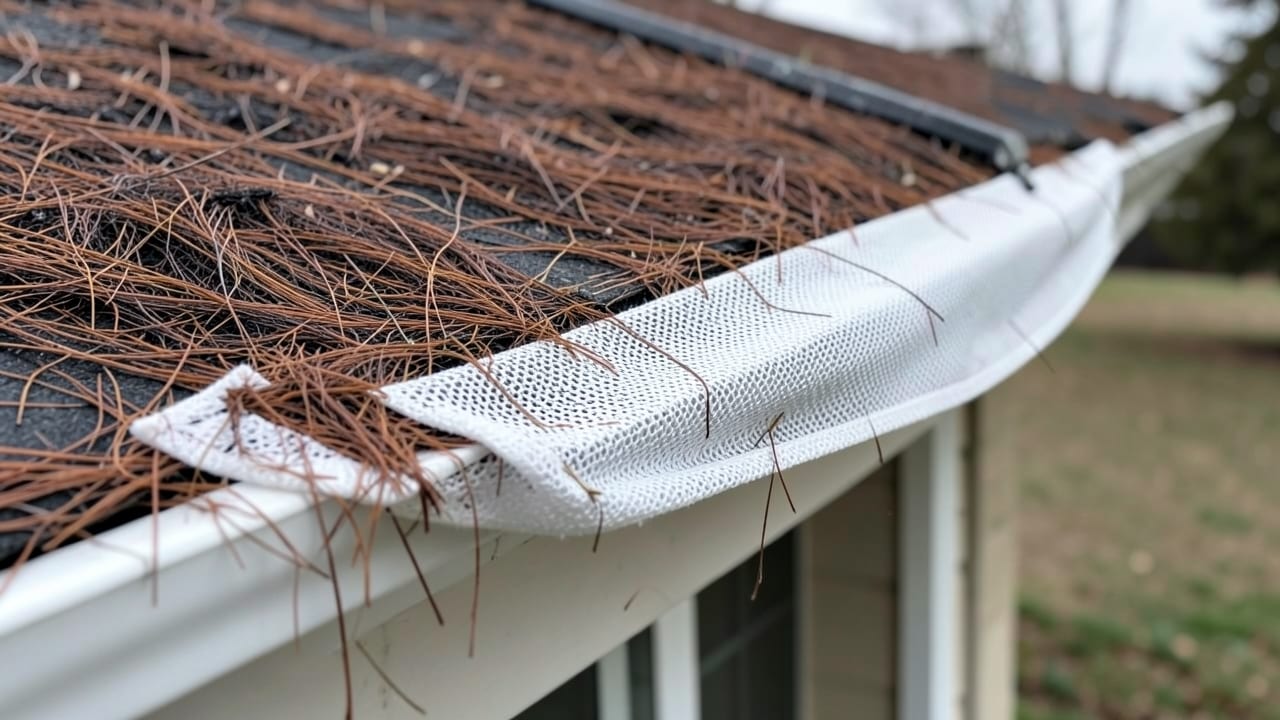
Fabric Gutter Guard Cleaning
Cleaning fabric gutter guards to remove debris and restore proper water flow.
Fabric gutter guard cleaning in Broomfield, CO, ensures your home’s gutter system stays functional by removing trapped debris from mesh guards. Over time, leaves, twigs, and fine sediment clog the fabric, reducing water flow and risking damage to gutters, fascia, and foundations. A thorough cleaning restores proper drainage while preserving the guard’s ability to block larger particles—critical for homes under trees or with heavy seasonal debris.
When fabric gutter guards need cleaning
Fabric gutter guards are designed to reduce maintenance, but they aren’t maintenance-free. Signs your guard system needs cleaning include water overflowing during heavy rain, despite light rain draining fine—a sign debris is restricting flow. If gutters require clearing multiple times a year, especially under trees dropping leaves, seed pods, or pine needles, a guard system may still need periodic attention to function effectively.
We also handle Salt Corrosion Gutter Treatment and Pre-Winter Gutter Flush for Broomfield properties.
Fine grit, sand, or asphalt granules from shingles can also build up faster than leaves, packing down into the mesh and reducing its efficiency. A guard covered in dust or debris sitting on top of the fabric is no longer shedding water properly, and a quick rinse or deep clean can restore its performance before clogs become a bigger issue.
Key Signs Your Fabric Gutter Guard Needs Cleaning
- Water overflows during heavy rain but drains fine in light rain (indicates partial blockage)
- Debris (leaves, pine needles, seed pods) accumulates on top of the guard or clogs visible seams
- Gutters need clearing more than once a year, especially under trees with predictable debris patterns
- Fine dust or sediment layers the guard’s outer surface, preventing water from sheeting through the mesh
What affects pricing and timing?
The cost of fabric gutter guard cleaning depends on the home’s size, roof complexity, and debris load. Single-story homes typically run **$30 per linear foot**, while two-story homes add **25–40%** for extra ladder work and safety setup. Pricing also varies based on whether downspouts are cleared, debris is hauled away, or damage assessment is included—all factors that should be specified upfront.
Timing matters too. Cleaning after a major storm can catch shifted sections or gapped seams before they worsen. Proactive cleaning in fall or spring, before heavy debris seasons, prevents clogs from becoming a larger repair issue. Always confirm whether the quote covers multi-story homes, steep roofs, or debris disposal to avoid surprises.
Common mistakes that undermine guard performance
Installing a fabric gutter guard over a gutter that already slopes incorrectly or has standing water doesn’t fix drainage—it just traps moisture underneath. Similarly, fitting a guard over a trough still filled with old debris seals that material in permanently, since guards block new debris from entering, not existing buildup.
Gaps at corners or seams are another frequent issue. Wind-blown debris funnels into unsealed edges, defeating the guard’s purpose. A proper installation requires mitered cuts around downspouts and corners, along with secure fastening to the gutter’s front lip and back edge—not the roof—to avoid roof penetrations.
Guards won’t work if installed over: (1) gutters with incorrect pitch, (2) troughs already clogged with debris, or (3) seams left gapped. Always confirm the existing system is structurally sound and debris-free before installation.
How fabric gutter guard cleaning works
A thorough cleaning restores water flow while preserving the guard’s ability to block debris.
- 1Debris Removal
All existing debris—leaves, twigs, sediment—is cleared from the gutter and guard mesh. Standing buildup is removed first, as sealing a guard over trapped debris prevents future cleaning access.
- 2Guard Inspection
The guard is checked for tears, sagging, or gaps at seams and corners. Damaged sections are marked for repair or replacement to ensure proper water flow.
- 3Flow Testing
Water is sprayed across the guard at a rate simulating heavy rain to verify it sheds into the trough. Pooling or sheeting past the mesh indicates clogs or improper installation.
- 4Final Rinse
The guard’s outer surface is rinsed to remove fine dust or sediment, restoring its ability to allow water through while blocking larger particles.
- 5Downspout Check
Downspouts are cleared of debris to ensure the entire system drains freely. Clogged outlets can cause backups even with clean guards.
Frequently asked questions
How often should fabric gutter guards be cleaned?
Most fabric guards need cleaning **once or twice a year**, especially after heavy debris seasons like fall. Homes under trees or with fine sediment (like shingle granules) may require more frequent maintenance to prevent clogs.
Will a fabric gutter guard eliminate all gutter maintenance?
No—guards reduce maintenance by blocking large debris, but fine dust, pine needles, or seed pods still require periodic cleaning. A guard won’t fix an incorrectly pitched gutter or replace damaged sections.
Can I clean the guards myself, or should I hire a professional?
DIY cleaning works for light debris, but professionals use pressurized rinsing and flow testing to ensure the mesh isn’t clogged or damaged. Improper cleaning can void warranties or damage the guard.
What’s the difference between fabric and mesh guards, and which is better for Broomfield’s climate?
Fabric guards (like polyester mesh) allow water through while blocking larger debris, while micro-mesh guards handle finer particles like pine needles. Broomfield’s mix of trees and seasonal debris often benefits from **micro-mesh or fine fabric guards** for long-term performance.
Where Broomfield sits, and what the Census lists nearby
Broomfield sits in Colorado, and the closest places listed in the U.S. Census Gazetteer are Lafayette (3.8 miles northwest), Northglenn (4.7 miles southeast), Louisville (5 miles west), Westminster (5.1 miles south). Within 25 miles of Broomfield the same source lists 83 distinct incorporated places and census-designated places. Those figures matter for fabric gutter guard cleaning because they are straight-line distances between Census coordinate points: road mileage between Broomfield and Lafayette runs longer than the 3.8 miles shown, which is why quotes for the same job differ between towns that look close together on a map. Source: U.S. Census Bureau Gazetteer.
See Eldorado Springs, CO for more, or discover our full Broomfield-area coverage in full for our complete lineup.
Ready to get started?
Talk to a local gutter cleaning pro in Broomfield — get a written quote.
Other Gutter Cleaning Services in Broomfield

Salt Corrosion Gutter Treatment in Broomfield, CO
Application of protective treatments to gutters to prevent salt-induced corrosion in coastal or high-salt areas.
Learn More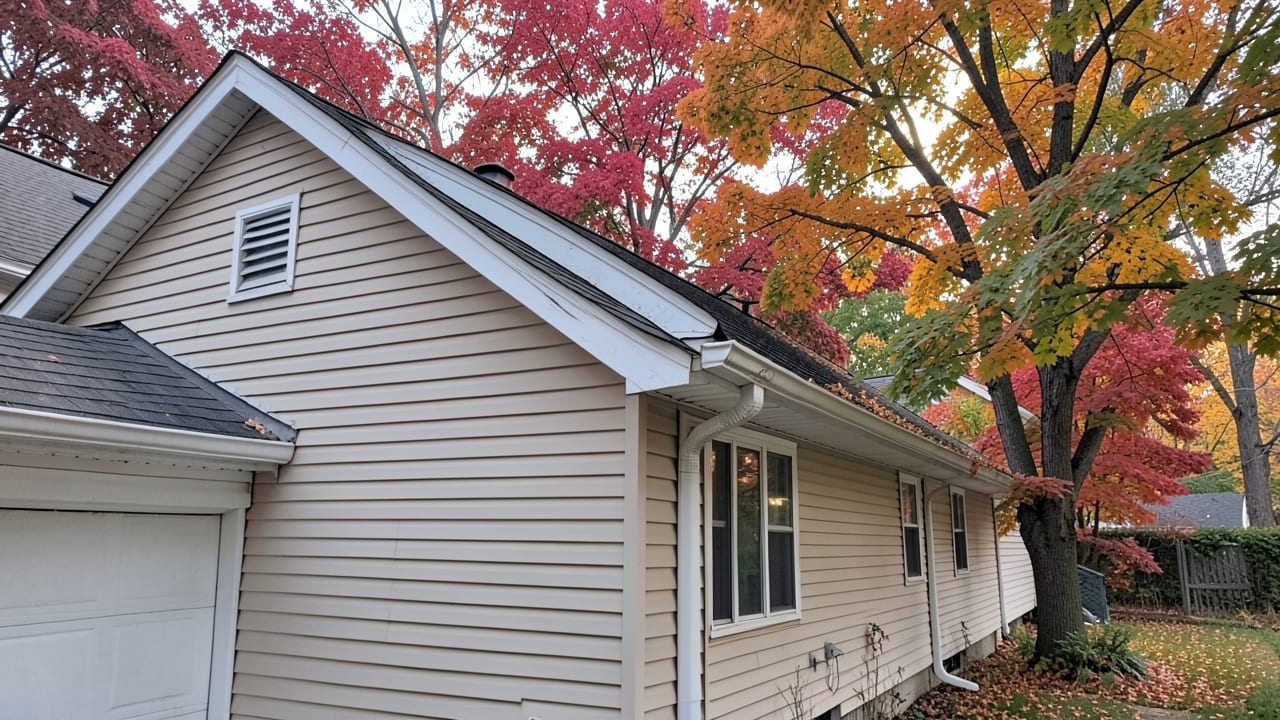
Pre-Winter Gutter Flush in Broomfield, CO
Pre-winter gutter cleaning to remove debris and ensure proper drainage before cold weather.
Learn More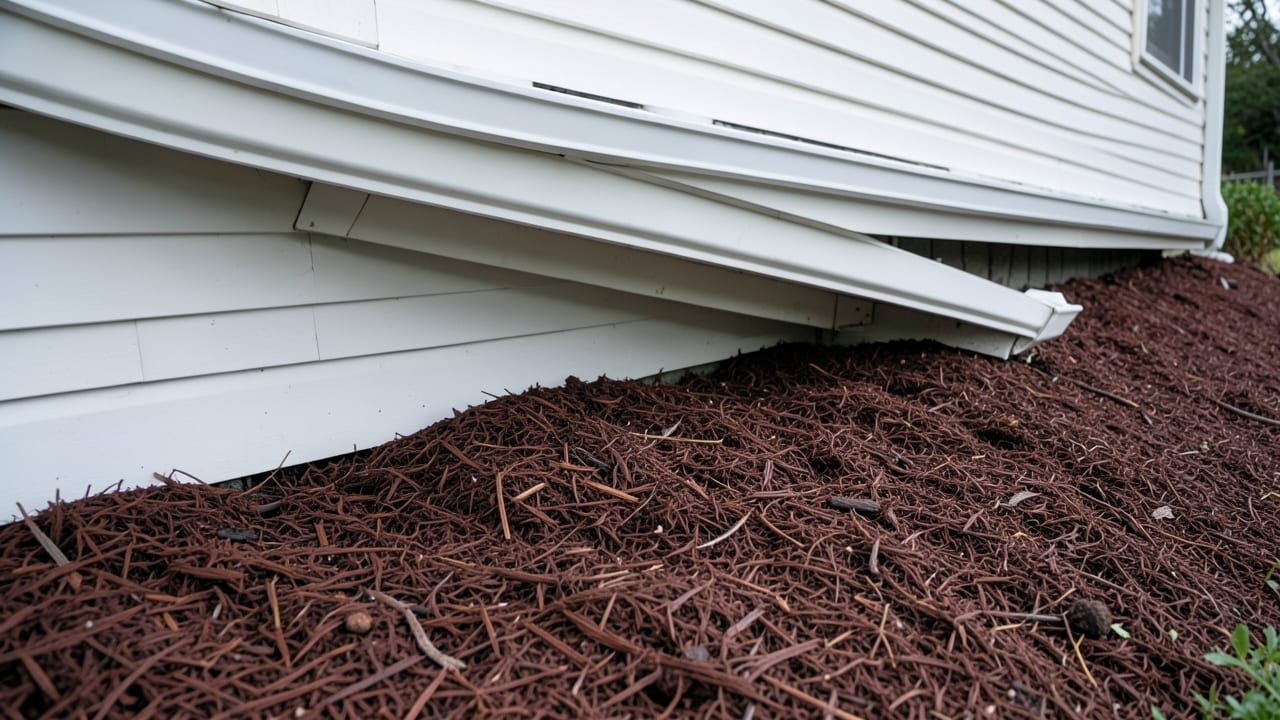
Spring Gutter Debris Removal in Broomfield, CO
Removing leaves, twigs, and sediment from gutters to restore proper water flow.
Learn More
Gutter Cleaning in Broomfield, CO
Whole-system gutter cleaning in Broomfield, CO — clears ice dams and ice-loaded gutters from every run and downspout so water is carried away from the roof and foundation, not into them.
Learn More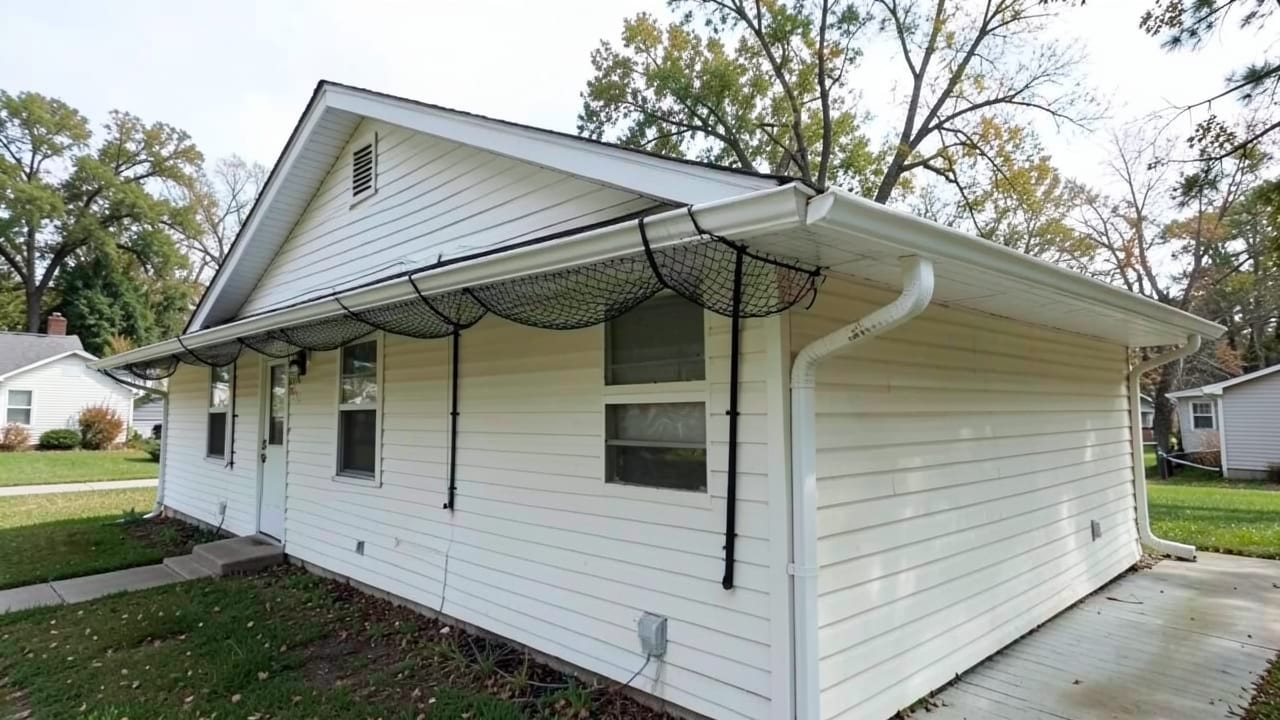
Gutter Guard Installation in Broomfield, CO
Gutter guard installation in Broomfield, CO reduces how often gutters need clearing by keeping ice dams and ice-loaded gutters out of the trough in the first place.
Learn More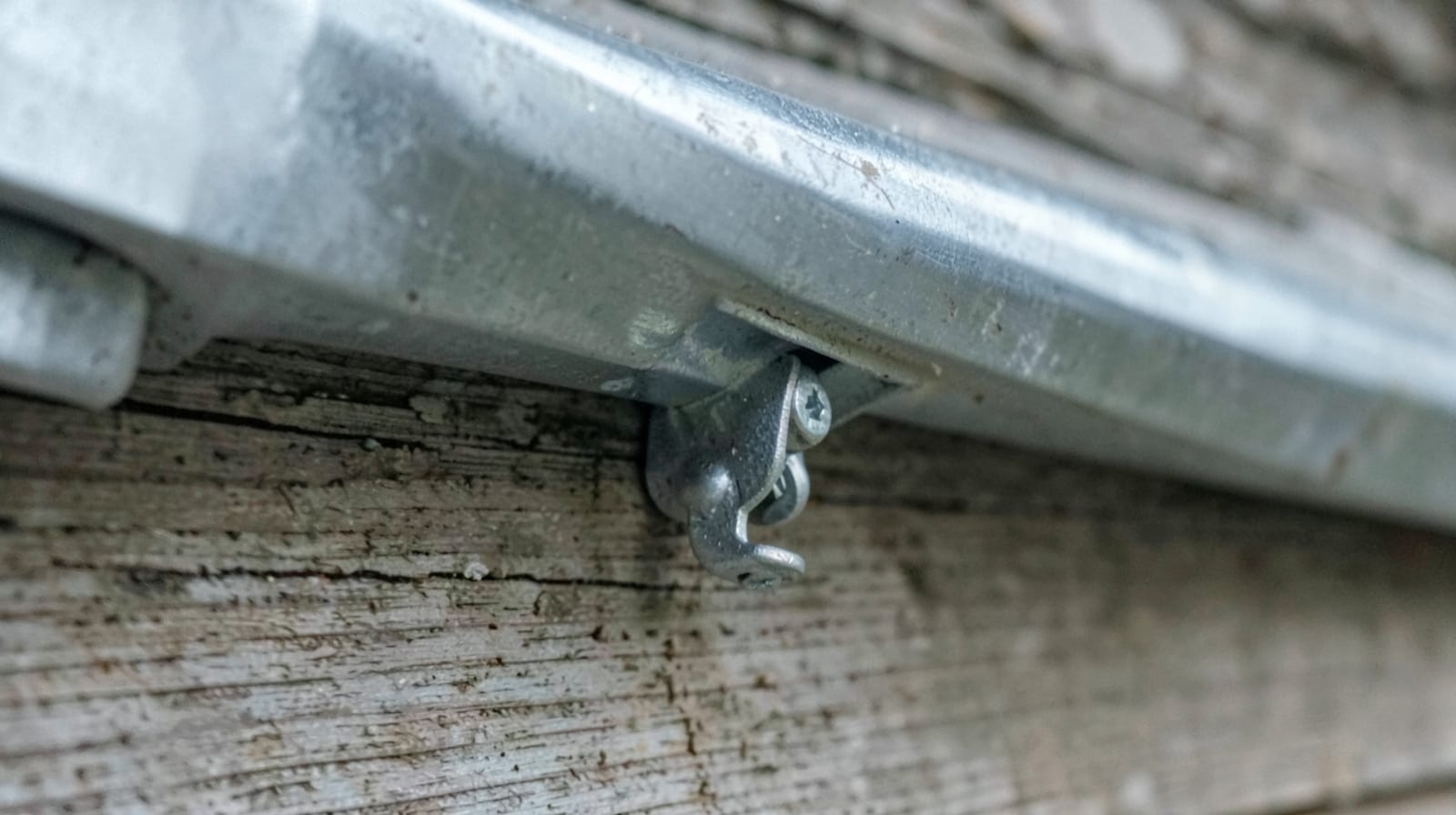
Gutter Repair in Broomfield, CO
Gutter repair in Broomfield, CO for sagging sections, loose fasteners, seam leaks, and gutters pulling away from the fascia.
Learn MoreCommon Questions About Gutter Cleaning in Broomfield
Everything you need to know about gutter cleaning services in Broomfield
How much does Fabric Gutter Guard Cleaning typically cost in Broomfield, CO?
Why does gutter cleaning timing matter more in Broomfield, CO's cold-winter climate?
Can standing water in clogged gutters attract pests?
How often do gutters actually need to be cleaned?
Do gutter guards eliminate the need for cleaning?
What are the signs that gutters actually need attention?
Need Gutter Cleaning in Broomfield?
Get a written quote from our Broomfield crew.
⏰ We answer your call • Serving all of Broomfield and surrounding areas